

Largest stadiums in the world | History, records and atmosphere
Sport has long surpassed the boundaries of a mere game and has become a global phenomenon that unites millions of people who follow it passionately. If sport is a modern religion, then stadiums are its cathedrals. These are places where history is written, where seconds last like eternity and where the roar of the crowd can paralyze the opponent or give wings to the home team.
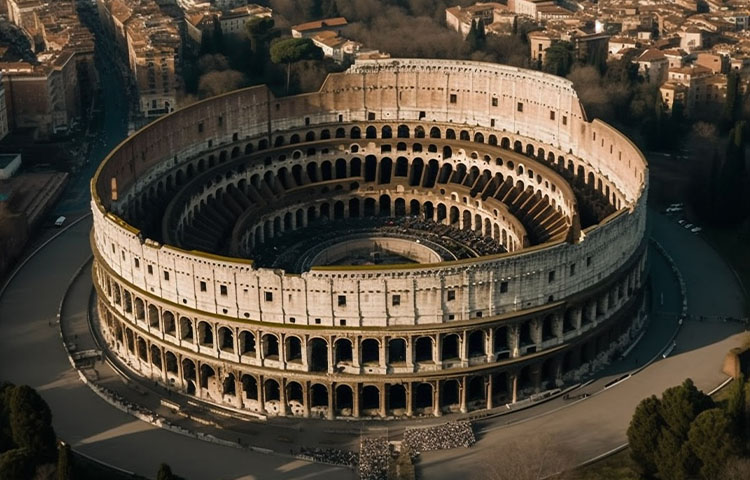
From the ancient Colosseum in Rome to the futuristic arenas of today, humanity has always had the need to build massive structures that celebrate human strength and skill. The size of a stadium is not just a matter of capacity; it is a symbol of power, prestige and architectural genius. For every true fan, entering the stands of a gigantic stadium is a pilgrimage.
But, in a sea of concrete and steel, the question arises that intrigues every lover of statistics, records, and even sports betting: which is actually the largest stadium in the world and what makes it so special?
Race for the throne: where do the most fans reside?
The answer to this question is not as simple as it seems, because it depends on whether we count only seating places, standing places or temporary stands. Still, two giants stand out above all the others.
For many years, the title of the unofficial ruler was held by the Rungrado 1st of May Stadium in Pyongyang, North Korea. Opened in 1989, this massive structure shaped like a parachute (or a magnolia flower) originally claimed to have a capacity of an incredible 150,000 places. Although newer estimates are somewhat more modest and speak of a figure of around 114,000 seats, it still appears intimidatingly impressive. It is mainly used for mass choreographed performances and national team football matches.
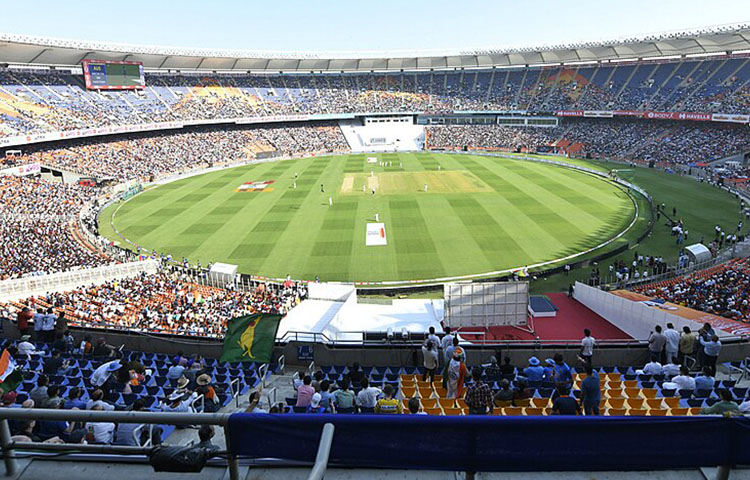
However, in the modern era of sport, the throne has been taken over by the Narendra Modi Stadium in India. Located in Ahmedabad, this temple of cricket was renovated and opened in 2020 with a stunning capacity of 132,000 seating places. When it is full, the roar of the crowd is so loud that players on the field can barely communicate. Officially, this is currently the largest stadium in the world that is actively used for sports competitions, and it represents the pride of a nation that lives for cricket.
American giants: college football as a phenomenon
When we talk about size, we often forget about the United States, but not about NFL stadiums, but rather the university ones. American college football (NCAA) is a religion of its own and the stadiums built for these teams are true monsters.
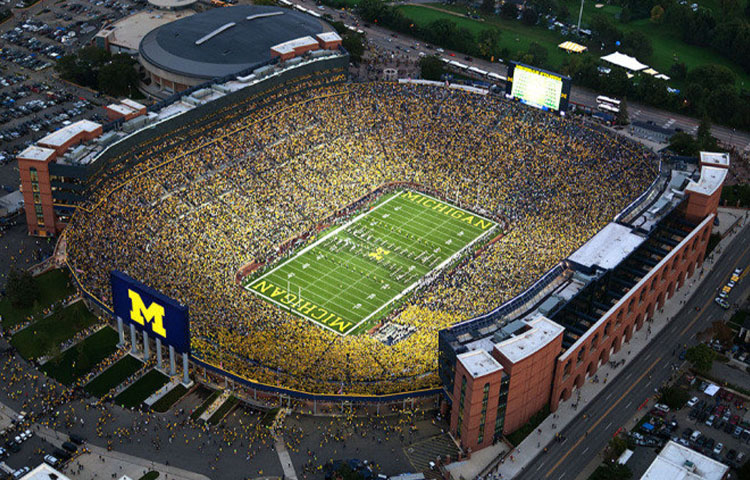
Michigan Stadium, known as "The Big House" is located in Ann Arbor and is home to the University of Michigan. With a capacity of over 107,000 places, it is the largest stadium in the Western Hemisphere. Interestingly, the stadium is dug into the ground, so from the outside it does not appear that large, but when you enter inside, the rows descend endlessly.
Right next to it are Beaver Stadium (Penn State) and Ohio Stadium, which also accommodate over 100,000 people. What makes these stadiums special is the fact that they are filled with students and the local community, creating noise that often exceeds 110 decibels.
Football temples: European and South American passion
For lovers of "the most important secondary thing in the world", size is measured by history and atmosphere.
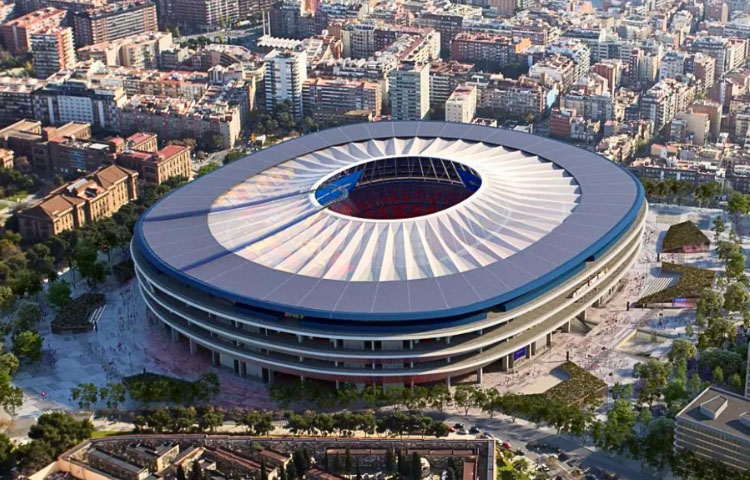
Camp Nou (Spotify Camp Nou) in Barcelona was long the largest football stadium in Europe. Before renovation, it accommodated close to 100,000 people. After the completion of the ambitious reconstruction project, its capacity is expected to increase to 105,000, which will cement Barcelona’s status at the top of European football. Watching "El Classico" at this stadium is an experience that is on every fan’s "bucket list".
Wembley in London is the spiritual home of football. With 90,000 places, it is a place where dreams are made or broken. Its famous arch, visible for kilometers around, is a symbol of modern London. Although it does not have the acoustics of old stadiums, the prestige of playing at Wembley is immeasurable.
We must not forget the legendary Maracana in Rio de Janeiro. Although it once, at the 1950 World Cup final, hosted an unofficial 199,854 spectators (which would make it the absolute record holder in history), due to safety standards its capacity has now been reduced to around 78,000. Still, the spirit of the past continues to hover over this concrete giant.
The future: boundaries are shifting
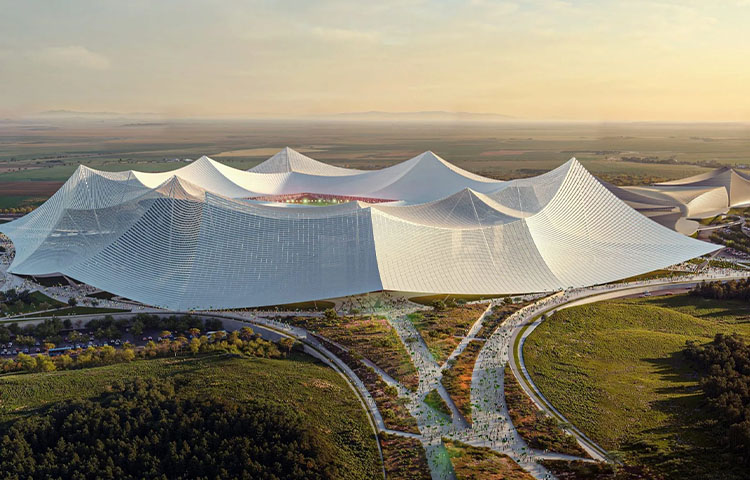
Architecture does not stand still. Morocco, as one of the hosts of the 2030 World Cup, has announced the construction of the “Hasan II” stadium, which should have a capacity of 115,000 places. If this project is realized, the title of the largest stadium in the world intended exclusively for football could move to Africa.
More than concrete: impact on the game
The size of a stadium is an important factor, but not a decisive one. Often smaller, more compact stadiums create greater pressure on visiting teams.
- Signal Iduna Park: Home of Borussia Dortmund accommodates "only" 81,000 people, but its southern stand ("Yellow Wall") is the largest standing terrace in Europe with 25,000 fans. The impact of this stand on the home team's performance has been statistically proven.
- La Bombonera: The stadium of Boca Juniors in Buenos Aires is architecturally unusual and relatively small (around 54,000), but the steepness of the stands is such that the stadium literally shakes when the fans jump.
If you like live betting, always take into account where the match is played. Does the huge pitch at Camp Nou suit a fast winger? Will the pressure of 80,000 people at San Siro break a young team? The size of the pitch and acoustics are hidden factors that often decide the winner.
Stadiums as mirrors of society
Stadiums are mirrors of the society that builds them. They are monuments to our need for togetherness and spectacle. Whether it is cricket in India, college football in the USA or the Champions League final in Europe, these gigantic structures remind us how small we are as individuals, and how powerful we are when we are part of a mass that breathes as one.
As technology advances and allows us to watch matches in 4K resolution from the comfort of home, nothing will ever be able to replace the feeling when you step onto the stands, look around and realize that you are part of something bigger. Then, in that moment, it does not matter whether you are at the largest stadium in the world or at a local field - only the game matters.

A born enthusiast. Looking forward to a new day and new opportunities to learn. Enjoying in conversations with other people and understanding their emotions, always ready to be a good listener. Able to display a whole lott of positive emotions and pass it to other people. Not having problems with talking in front of the group and keeping their attention. Careful with keeping promises and looking at life with internal locus of control.